Learn how Red Level helped the Detroit Institue of Arts modernize during a pandemic
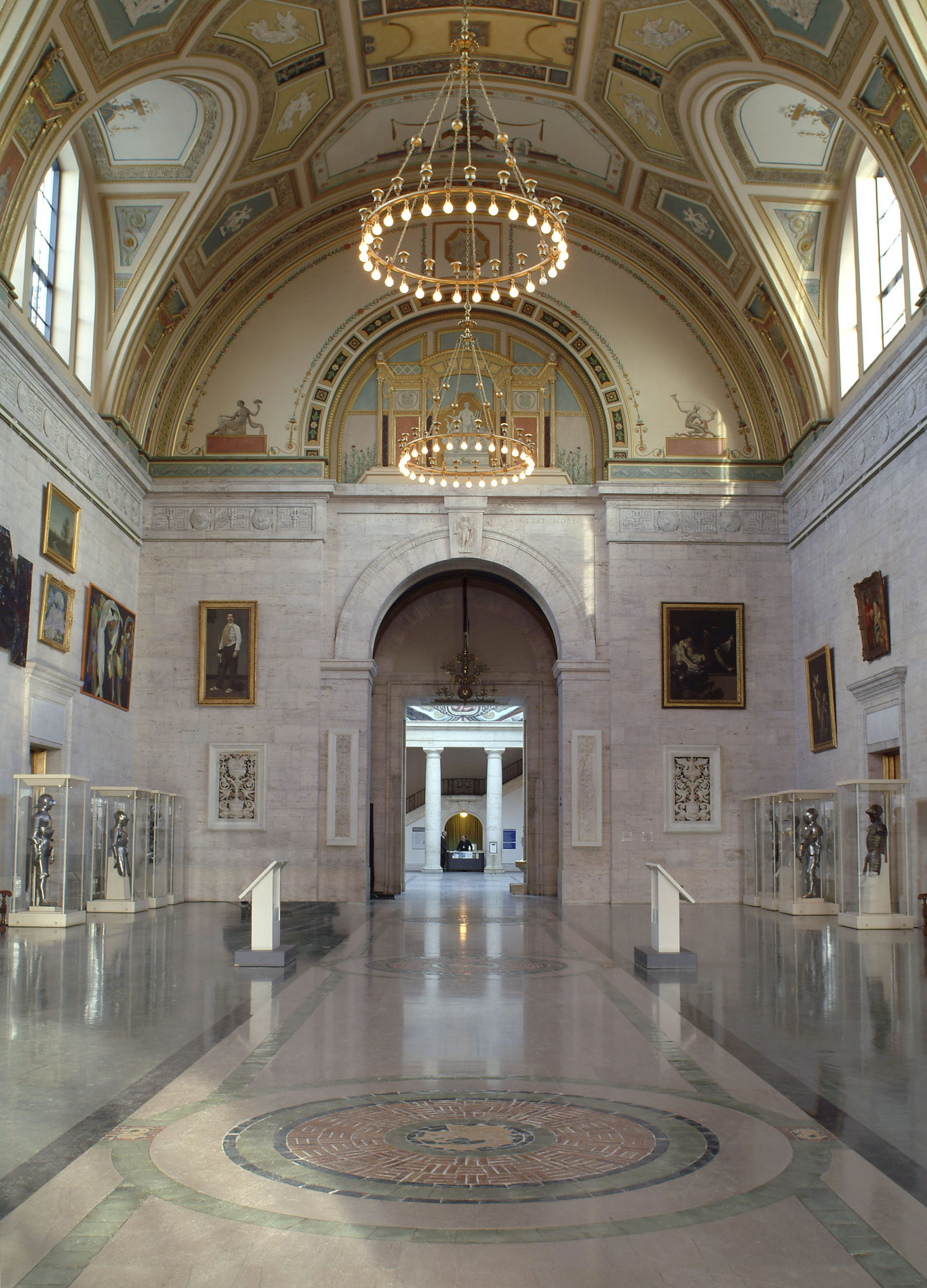
The Detroit Institute of Arts (DIA) founded in 1885, the DIA adopted its current location with 658,000 square feet of space in 1927. With a recital hall, library, auditorium, and more than 65,000 works of art, the DIA offers critical educational, cultural, and entertainment services for the community.
The Problem
The pandemic turned business operations upside down, especially for public-facing non-profit organizations like the Detroit Institute of Arts. Reduced hours, additional cleanings, social distancing, face masks, and added health and safety precautions are the backdrops to the new normal visitor experience at the DIA. The DIA tapped the expertise of NSF International, museum peers, as well as city and state officials for counsel to help guide a smooth public reopening. The DIA is putting health and safety first, minimizing risk along the way for staff, contractors, and patrons.
There were numerous activities to address safety measures across the museum and to re-architect the DIA as a digitally modernized organization both behind the scenes and forward-facing to visitors. The DIA’s Director of IT, Richard Scott, was a major driver of infrastructure improvements to ensure that everyone working remotely had the tools they needed to maintain collaboration and productivity.
IT Challenges
Just a few short years ago, the DIA had no IT team. Contractors were used as an attempt to help, but these efforts left IT siloed. There were many network failures, a fear of technology, and resistance to cloud migration. To address these concerns, Richard relied on the DIA’s long-term partnership with Red Level to roll out a Windows 10 upgrade with Microsoft 365 with a Microsoft Teams initiative held later. Once the pandemic hit and the DIA closed, IT immediately jumped into action, pivoting to equip remote workers with cloud access and productivity tools.
Remote employees began to embrace and engage Microsoft Teams themselves. Richard paused the Windows 10 upgrade to support the utilization of Teams and a partial cloud migration. Remote work challenged IT and added a risk level from people using personal equipment and how they access cloud resources. To address security issues, Richard implemented Microsoft Azure and VPN with obfuscation level to ensure an indirect connection to the DIA’s cloud. User privileges provide another layer of protection before granting access to internal systems. Even though the pandemic forced a remote workplace, Red Level helped users in their migration to cloud collaboration. Richard was grateful that IT could introduce Teams to the DIA in preparation for an unexpectedly lengthy pandemic.
Opening Safely
As IT managed the behind-the-scenes to settle into a new normal with employees, the question on the DIA leadership’s minds was how to welcome employees and visitors back to the museum? The DIA to developed a new touchless entry solution that integrated with their existing ticketing app. While attention was focused on how the museum patrons would enjoy the touchless entry using kiosks, employees and contractors also required a new and safer way to enter the museum. The employee and contractor entry app needed to define data points with logic, including the type of user, registration, time of entry based on museum capacity, and an added layer of security to clear check-in requests. Red Level’s ClearPass app updated the DIA’s employee’s ability to check-in at the museum. The app made it easier for employees to reserve time slots by using SharePoint and Microsoft 365. The Admin view of the app allowed Security to see everyone who was checked in, their pending
status, names, and time stamps. Depending on the type of user, the app produced various fields with granular information for contractors who needed to state their purpose for being in the museum.
As a result of the pandemic, the DIA was pushed to digitally modernize sooner than expected. The outcome: a new ticketing app and a total game-changer for the future. Now, equipped with touchless admission, online ticketing with a QR code used for admission, the museum modernized quickly due to COVID-19. The kiosk’s customer experience is efficient, with a welcome message informing patrons if they are early or late and when to return if early. Lastly, new digital response stations in the galleries and exhibits allow visitors to respond without the need for hand-written comments. Coming soon will be a Virtual Queuing app that eliminates the need for waiting in line for entry into special exhibitions. Guests will be able to get their place in line via scanning a QR code, typing a short URL in their browser on their device, or sending a text to a specified phone number.
The DIA and Red Level are resuming pre-COVID initiatives, including a complete Windows 10 upgrade and support of Microsoft Teams across all departments. Looking ahead in the galleries, there is more work being explored on potentially gesture and voice-based touchless engagement – an entirely new way of thinking and functioning. From an IT standpoint, Richard has adopted the entire suite of apps and tools that Microsoft 365 offers. Accessibility, collaboration, security, synchronization, productivity and efficiency contribute to the new Detroit Institute of Arts.
Key Features
» Modernized with touchless interactivity
» Specialized ticketing system to increase sales
» Leveraged Microsoft 365 and moved to the cloud
» Built multiple integrations to increase productivity

Want to learn more about what Red Level’s App Development team can do for your organization?
Contact us below or call us at 248-412-8200